The Burden Of A Name
Milorad Zarić
© Copyright 2026 by Milorad Zarić

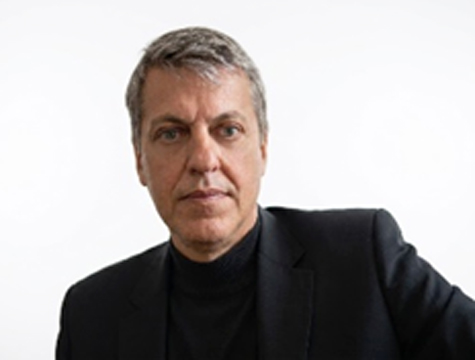
Photo courtesy of the author.
The Burden Of A NameMilorad Zarić © Copyright 2026 by Milorad Zarić |
Photo courtesy of the author. |
There be mornings when I depart for Belgrade ere the fog hath lifted from the Kolubara, and I know not what kind of day awaiteth me in the Assembly. Politics hath its own weather. Some days pass in quietude; some do smell of quarrel ere a single word is spoken. Yet, before I step into that edifice, there is always one brief and almost foolish habit of mine: I tarry before the mirror, straighten the cravat tied in haste, and for a second I behold my own surname as if it did belong to someone elder than I. Zarić.
In these times, a man may easily exchange opinions, parties, yea, even convictions, and still move through public life without much shame. A name, however, is more slothful. It draggeth behind it fathers, sepulchers, old toasts, family feuds which no one remembereth entirely, baptisms, slavas, debts paid and unpaid. In Valjevo, where I was born, people do still inquire: "Whose art thou?" before they ask what office thou dost hold. That may sound archaic to one from larger cities, but our world was builded that way. A man without lineage was once deemed either unfortunate or suspicious.
Lately I observe young parents bestowing upon children names that could belong anywhere and nowhere at once. Short names, polished names, names that journey well through airports and foreign companies. Peradventure that is practical. Still, I cannot refrain from feeling that something vanisheth in the process, though I cannot fully explicate what. Perchance a thread. Perchance a beleg (mark) left by those before us.
Among Serbs, at least among the folk with whom I grew, a name was never chosen casually. The kumstvo itself was treated almost as a small sacrament. The kum did not merely attend the baptism; he stood witness before God and men. Older folk used to say: "The kum is no button". Not a button to be exchanged when convenient. Such things were once feared a little, and therefore respected. When a child received a name, the wish hidden within it mattered more than the sound. Some names carried strength, some humility, some remembrance. A boy named Vuk was expected to grow stubborn and enduring. A Lazar was supposed to remember sacrifice before pride. Milica, Milena, Dragana — even tenderness in those names carried a certain ozbiljnost (seriousness) that is difficult to translate without losing half its meaning.
My late grandfather spake awkwardly but remembered many sayings. He used to mutter, usually after hearing gossip about someone who had disgraced himself: "Easy it is to stain a name; hard it is to wash it". As a child I deemed he exaggerated. Later, laboring near the machinery of state, I comprehended what he meant. Power doth not usually tempt a man dramatically. There be no trumpets, no devils at the window. It cometh quietly: a favor requested in passing, a silence expected, a compromise explained as temporary. One beginneth by excusing small things. That is how character softeneth. Not suddenly — more like cloth thinning at the elbows.
My labor is not in the forefront, but in that silent, preparatory phase where words are transmuted into politics. While I prepare orations for the Vice-President of the Assembly, analyze situations, and care for every member of our parliamentary group and administration, I am often he who holdeth the strings that the system may function. As a person with a disability, this tempo is a peculiar challenge. Marathon sessions, which endure for many days, from early morn until late afternoon, are for me not merely labor — it is a physical battle. Every change of weather, which my heart feeleth ere any meteorologist, and every hour of mental strain, render my labor a victory over mine own limitations. Travels are rare and demanding, yet those very physical limitations have compelled me to direct my mind and empathy toward the folk with whom I labor. Instead of being an orator upon the podium, I am he who lendeth a voice to others, who ensureth that their word be grounded, and humanity preserved in the harsh world of politics. It is my burden and my responsibility — that even when I am weary, I remain a pillar of support for those who depend upon me.
In my work with the NGO 'ZVEZDA VA 014', I often witness how the vacuum of identity affects our youth. We strive to cultivate ethical competencies not through dry lectures, but by re-engaging with the narrative of our own heritage. When we lead workshops on non-formal education, the most profound moments occur when young people begin to trace the lineages of their own communities, discovering that their local history is not merely a collection of dusty archives, but a living foundation for their own character. We teach them that an aesthetic appreciation of their culture—be it through typography, folk literature, or the history of our institutions—is the first step toward reclaiming their moral center. It is in this active transmission of values that I find the antidote to the contemporary trend of fleeting convictions; we are helping them build an inner structure that can withstand the pressures of a world that demands quick, cheap compromises.
Patriarch Pavle once said something simple which folk repeat often because it is truth: every person is unique, and first known by name. There is wisdom in such plain sentences. We receive our names ere we deserve them. Everything afterward either lifteth them a little or lowereth them. Old chronicles mention Alexander of Macedon rebuking a cowardly soldier who bore the same name as he. Whether the tale happened exactly so matters less than the lesson itself. In older civilizations, folk believed a name obliged a man. Today, obligation itself hath become unfashionable. We prefer freedom without burden. Yet every society, however modern, doth still depend in the end upon whether some folk remain ashamed to act dishonorably.
There is another thing modern folk misunderstand. They imagine dignity cometh from visibility. But among our people, memory often belonged more to the unnamed than the celebrated. Across centuries under Ottoman rule, countless monks, peasants, widows, hajduks, and soldiers vanished without portrait or record. No historian knoweth their countenances. And still, the land remembereth them somehow. Even the Monument to the Unknown Hero on Avala saith enough by saying almost naught.
A strange thing happeneth to a man after forty. He beginneth counting time backward without admitting it aloud. Offices appear less eternal. Orations evaporate quickly. Newspapers wrap fish on the morrow. One day another adviser shall sit in the same chair, carry another briefcase down the same corridor, and believe himself important for a little while. What remaineth after that — Bog sveti zna (God only knows) — is usually smaller than we hoped. Perchance only whether a man's children lower their eyes or raise them when hearing their own surname spoken publicly. That used to matter greatly in Serbian homes. More than property sometimes. More than gold certainly. Folk endured poverty more easily than bruka (disgrace). A ruined household could recover after famine or war; after dishonor, rarely fully.
I claim not moral purity. Far from it. There be days when I depart the Assembly weary, irritated, uncertain whether anything honest can survive long within politics. Sometimes I deem my father’s generation possessed firmer ground beneath their feet than we do. We belong to an age of noise, haste, and imitation. Even language hath become hurried. We abbreviate everything, including convictions.
As I contemplate the years spent in the corridors of the National Assembly, I realize that the 'burden' I once thought was mine alone is actually a shared thread connecting the civil servant to the citizen. My daily struggle to navigate the physical limitations of my disability while managing the complex machinery of parliamentary administration has taught me that true leadership is rarely about the voice that carries the furthest. It is about the quiet persistence that ensures the integrity of the process, the meticulous care taken in drafting a single clause that might protect a vulnerable group, and the stubborn refusal to abandon the measure of humanity when the political climate turns cold. This, too, is a way of honoring the name I bear—by proving that our worth is not measured by the speed of our ascent, but by the depth of our fidelity to the righteous path, even when that path is arduous and unseen.
I do oft wonder what we shall leave to the youth, save for new technologies that promise us connectivity, but oft bring only loneliness in the crowd? The education we offer today is directed toward competencies, toward skills that may be monetized, toward a flexibility that bordereth upon spinelessness. Rarely do we speak of character. Rarely do we speak of how the development of aesthetic competencies and the creativity of youth is directly linked to their ability to comprehend their own identity. The projects we nurture today – those that celebrate cultural diversity, interculturalism, and dialogue – are not merely fair wishes; they are the sole manner to provide youth with a sense of continuity. When a young man learneth to respect another's name, he beginneth to respect his own. That is the bridge betwixt the past and the future which is today more vital than ever.
Still, every now and then, usually late in the evening when Belgrade quieteth a little, I remember something from childhood: my mother calling me from the street by my full name, never shortened. In her voice there was warning, affection, expectation — all at once. As if she were reminding me that the name did not belong entirely to me, that I was merely carrying it further for a time. Peradventure that is all a man truly owneth: the manner in which he leaveth his name to those who come after him.