Uwayezu Sylvio
© Copyright 2026 Uwayezu Sylvio
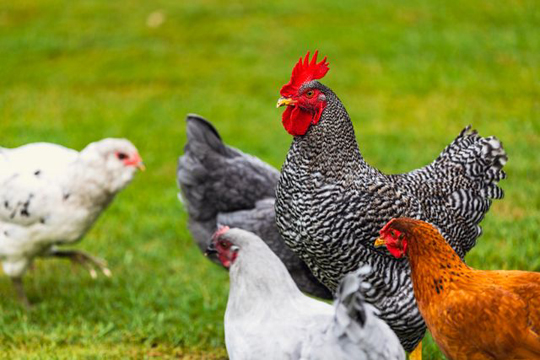
Photo by James Chaney at Pexels.
| From
Five Chickens to Cattle: A Farmer’s Journey of Patience,
Discipline, and Hope in Rwanda Uwayezu Sylvio © Copyright 2026 Uwayezu Sylvio |
Photo by James Chaney at Pexels. |
My visit to the farm in 2025 started for a simple reason: I wanted to buy chickens for food. I was not going there expecting to discover an extraordinary story. It was just a normal visit to find fresh poultry from a local farmer in Gicumbi District, Northern Province, Rwanda.
As I arrived at the farm, I immediately noticed that it was different from many small farms I had seen before. The place was organized, clean, and well managed. The chickens were healthy, the surroundings were maintained carefully, and there was a sense of order in every activity taking place there.
Workers were busy carrying out different tasks, and the farm appeared to be operating with discipline and commitment. While my original purpose was simply to purchase chickens, my curiosity grew as I observed how well the farm was managed.
I wanted to know more about the person behind this success. I wondered how such a well-established farming activity had started and what challenges the farmer had faced along the way.
That curiosity led me to ask him a simple question:
"How did you start this project?"
His answer surprised me. The successful farm I was seeing in 2025 had not started with large capital, expensive equipment, or outside investment. Instead, it had begun almost a decade earlier with a very small opportunity and a strong determination to succeed.
He told me that his journey started in 2016, after he finished secondary school. His mother gave him 8,000 Rwandan francs, and with that money he bought five chickens.
Those five chickens became the foundation of his farming journey.
As he continued explaining his story, I realized that my simple visit to buy chickens had turned into an opportunity to learn about patience, discipline, and the power of starting small.
Section 2: Discovering the Story Behind the FarmAfter asking him how he started the project, I expected a short answer. Instead, the farmer began sharing a story that immediately captured my attention.
He looked across the farm and explained that what I was seeing in 2025 was the result of many years of patience, learning, and commitment. The farm had not become successful overnight. It had developed gradually through small steps taken consistently over time.
He told me that his journey began in 2016, after he completed secondary school. At that time, he did not have a large amount of money or resources to invest in a business. However, he had the desire to create something for himself and believed that farming could become an opportunity if he approached it with seriousness.
"My mother gave me 8,000 Rwandan francs," he explained. "With that money, I bought five chickens."
I was surprised by how small the beginning was compared with what I was seeing around me. The farm in front of me represented years of growth, but its foundation was only five chickens.
He explained that the beginning required patience. Raising chickens was not just about owning animals; it required daily care, attention, and responsibility. He learned how to manage feeding, protect the chickens from diseases, and understand the needs of the animals.
Instead of consuming all the benefits from his first activities, he focused on growing the project. Every small gain was an opportunity to reinvest and expand.
He told me that after about three years, he was able to move to another stage of farming by purchasing goats. This was an important step because it showed that the small business he started after secondary school was gradually creating new opportunities.
The goat farming experience helped him continue learning about animal management and business planning. He did not rush for quick success. Instead, he focused on building a strong foundation and increasing his knowledge step by step.
After another four years, his continuous effort allowed him to reach cattle farming. The journey from five chickens to cows was not a sudden transformation. It was the result of approximately seven years of commitment, reinvestment, and perseverance.
As he explained each stage, I realized that the most important part of his story was not only the animals he acquired but the mindset that guided him. He started with what he had, protected what he built, and used each achievement as a foundation for the next one.
Standing on the farm where I had originally come only to buy chickens, I found myself learning a much deeper lesson. His experience showed that successful businesses can begin with very small resources when combined with discipline, patience, and a clear vision.
The farmer's journey from five chickens and 8,000 Rwandan francs in 2016 to cattle farming by 2025 was a reminder that growth is often a gradual process built through many small decisions.
Section 3: The Power of Patience and Reinvestment
As the farmer continued sharing his journey, I became more interested in understanding what allowed him to move from one stage to another. Many people start small businesses, but not everyone manages to grow them over several years. His story was not only about owning chickens, goats, or cows—it was about the discipline behind every decision he made.
He explained that from the beginning, he understood that success would not come quickly. The five chickens he bought in 2016 were not a shortcut to wealth. They were simply a starting point.
"I knew that I had to be patient," he told me. "A small project can grow if you take care of it and make good decisions."
During the early years, he focused on learning. Every challenge became a lesson. He learned how to provide better care for his animals, how to manage costs, and how to make decisions that would strengthen the project.
The farmer explained that one of the most important choices he made was to reinvest instead of consuming everything he earned.
"When the project started bringing results, I did not think only about today," he said. "I thought about how I could make it bigger in the future."
This mindset helped him move from one opportunity to another. The chickens created the foundation, the goats became the next step, and eventually the experience and resources gained over the years allowed him to start raising cows.
Looking back at the journey, he recognized that every stage prepared him for the next one. The chickens taught him responsibility and animal care. The goats helped him gain more experience in livestock management. The cows represented a new level of investment and commitment.
He explained that farming requires accepting challenges because nature and markets are not always predictable. There were moments when progress was slow, but he continued working because he believed in the long-term vision.
"What helped me was not giving up," he explained. "I continued learning and improving."
As I listened to him, I reflected on how different the farm looked compared with its beginning. In 2016, the project was only five chickens purchased with 8,000 Rwandan francs from his mother. By 2025, it had become a larger farming activity involving livestock and a more developed agricultural system.
The transformation was not created by one big opportunity. It was created by thousands of small actions: feeding animals every day, protecting them from risks, saving resources, learning from mistakes, and continuing despite difficulties.
The farmer's story reminded me that entrepreneurship is not always about starting with a lot of capital. Sometimes it begins with a small opportunity and a strong commitment to make it grow.
My original reason for visiting the farm was simply to buy chickens. However, through our conversation, I discovered a valuable lesson about determination and the importance of starting with what you have.
His journey proved that a small beginning does not determine the final destination. With patience, discipline, and continuous effort, a simple idea can gradually become something much bigger.
Section 4: From a Small Beginning to a Bigger Vision
After listening to the farmer's journey, I looked around the farm with a different perspective. What I had initially seen as a normal farming activity now represented years of determination, sacrifice, and careful decision-making.
The cows, the facilities, and the organized farming system were not created in a single day. They were the result of a journey that began with a small amount of money and a simple decision to start. The farmer's experience showed me that successful agricultural businesses are built through consistency rather than sudden success.
I asked him what advice he would give to young people who want to start farming but believe they need a lot of money before they can begin.
He explained that many people make the mistake of waiting for perfect conditions before taking action.
"Sometimes people think they need a lot of resources to start," he said. "But the most important thing is to begin with what you have, learn, and continue improving."
For him, farming was not only about producing food. It was about creating a sustainable source of income, developing skills, and building something that could support a family and contribute to the community.
He also emphasized the importance of treating farming as a business. According to him, a farmer must plan, keep learning, understand costs, and make decisions carefully.
"Farming requires commitment," he explained. "You cannot expect results if you only work when things are easy. You must be ready to work through challenges."
As we continued walking around the farm, I noticed that his success was also reflected in the way he interacted with others. He respected the people working with him and understood that farming growth depends on cooperation and shared effort.
The conversation made me reflect on my original purpose for visiting the farm. I had arrived simply to buy chickens for eating. I did not expect that a simple purchase would introduce me to a story about entrepreneurship, patience, and transformation.
The farmer's journey from five chickens and 8,000 Rwandan francs in 2016 to cattle farming in 2025 was a powerful example of how small beginnings can lead to meaningful achievements.
His story carries an important message: success does not always start with large investments. Sometimes it begins with a small opportunity, a willingness to learn, and the discipline to continue moving forward.
As I left the farm that day, I carried more than the chickens I had come to buy. I carried a lesson from a farmer who proved that determination and consistent effort can transform a simple idea into a lasting agricultural enterprise.
This
unexpected visit reminded me that inspiring stories are often found
in ordinary places, and sometimes the greatest lessons come from the
people who quietly build their dreams every day.